Politics
Final Tally: Chicago Taxpayers to Spend $126.8M to Resolve Lawsuits Tied to Disgraced Ex-Sgt. Ronald Watts
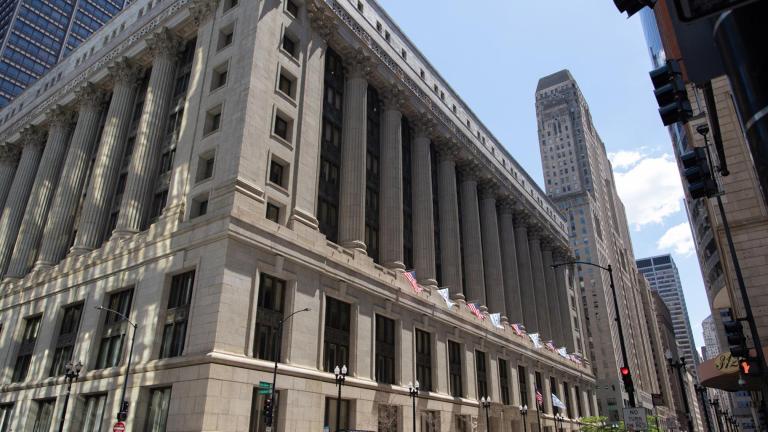
The Chicago City Council voted unanimously Thursday to resolve 176 federal lawsuits tied to former Chicago Police Sgt. Ronald Watts and his team, bringing the total cost of settling 185 lawsuits naming the convicted felon to $126.8 million, records show.
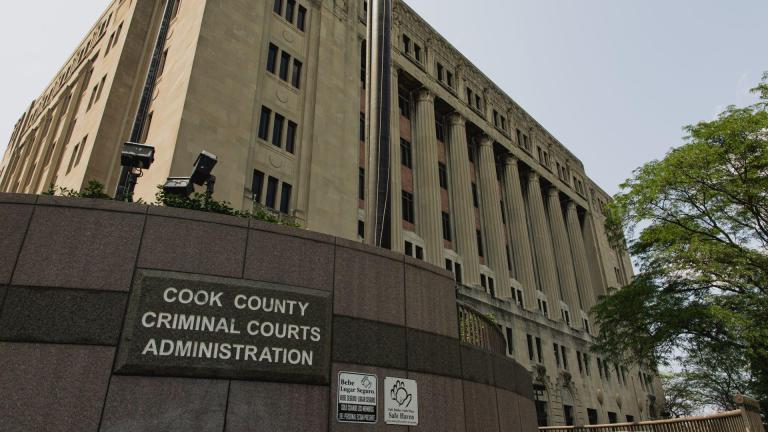
Chicago taxpayers will pay $90 million in the first-ever global settlement of lawsuits tied to a single Chicago police officer, under the agreement approved Thursday, to 180 people who spent a combined nearly 200 years in prison after being wrongfully convicted based on what they allege was fabricated evidence gathered by Watts, who was convicted in 2013 of taking bribes, and other officers.
In addition to the cases resolved by the City Council on Thursday, taxpayers have already paid $11.8 million to resolve nine cases alleging misconduct by Watts, according to city officials. Between 2016 and September 2024, the city had paid private lawyers $25 million to defend the conduct of Watts and the officers who worked with him, Corporation Counsel Mary Richardson Lowry said.
The $90 million settlement will be paid in two installments in 2026, officials said. City officials have yet to detail how they will foot that bill, which will add to the projected $1.15 billion budget gap the city faces next year.
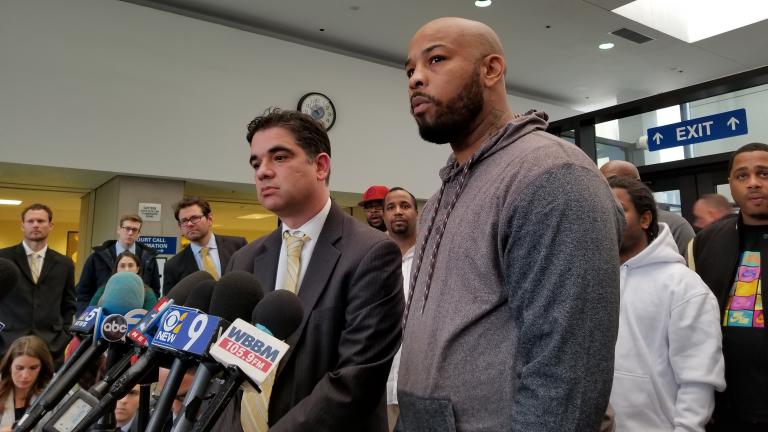
Ahmed Kosoko, Watts’ attorney, said the former Chicago police sergeant “must emphatically reject the false and misleading narrative that continues to link Mr. Watts to cases in which he had no direct involvement. In numerous instances, Mr. Watts was not present at the scene, was not on duty and played no role in the arrest, investigation or prosecution of the individuals now seeking civil recovery. In every single case, Mr. Watts neither accused, arrested, nor testified against the plaintiffs. His limited involvement was administrative and supervisory — often post hoc and entirely detached from the underlying events.”
The global settlement was “fiscally prudent,” which she said resolves 64% of wrongful conviction cases pending against the city, Richardson Lowry said.
Wrongful convictions have long been the most expensive kind of police misconduct in Chicago, and that continued into 2025, records show.
Fighting each case would have cost taxpayers between $350 million and $500 million, Richardson Lowry said.
Watts and the officers who reported to him were accused of demanding that residents and drug dealers pay them for protection. They arrested those who refused after planting drugs on them, according to court records.
In 2013, Watts was convicted of shaking down a drug courier who turned out to be an FBI informant. Watts spent nearly two years in prison.
Since 2017, 212 convictions tied to Watts have been overturned, according to Cook County State’s Attorney’s Office.
Chicago taxpayers have spent at least $231.2 million to resolve lawsuits alleging Chicago police officers committed a wide range of misconduct — including wrongful convictions and improper pursuits — since the start of 2025, according to an analysis of city data by WTTW News.
The cost of resolving police misconduct lawsuits has become a frequent source of political heartburn for members of the Chicago City Council, who are divided along ideological lines about the cause of the escalating costs. The City Council must ratify all settlements of more than $100,000.
More conservative alderpeople say the city’s lawyers and their colleagues are too eager to settle cases before trial. According to the alderpeople, that encourages those guilty of criminal wrongdoing to sue the city in the hopes of an easy payday.
However, some progressive members of the City Council see the expense as perhaps the most visible cost of the fact that city officials have yet to put an end to the decades of scandals, misconduct and brutality that have engulfed the Chicago Police Department.
Even before the proposed global settlement of the cases tied to Watts, Chicago exhausted its annual budget of $82.2 million months ago and had spent nearly triple that amount by July 31, according to WTTW News’ analysis of reports released by the Chicago Department of Law.
WTTW News coverage of policing and police reform is supported by The Joyce Foundation.
Contact Heather Cherone: @HeatherCherone | (773) 569-1863 | [email protected]